
When Hydro Jetting Salem Drains Makes Sense

A drain that keeps slowing down after it has been snaked is usually telling you something: the blockage may be gone, but the pipe wall is still coated with the material that caused it. Hydro jetting Salem property owners rely on is designed for that situation. It uses carefully controlled high-pressure water to clean the inside of a drain or sewer line, helping remove grease, sludge, roots, soap residue, and compacted debris that ordinary cable cleaning may leave behind.
For a homeowner, that can mean fewer repeat kitchen or bathroom backups. For a restaurant, rental property, or commercial building, it can mean getting a problem line back in service without relying on short-term fixes. The right solution depends on the condition of the pipe, which is why a professional inspection should come before the water starts flowing.
What Hydro Jetting Does for Salem Drain Lines
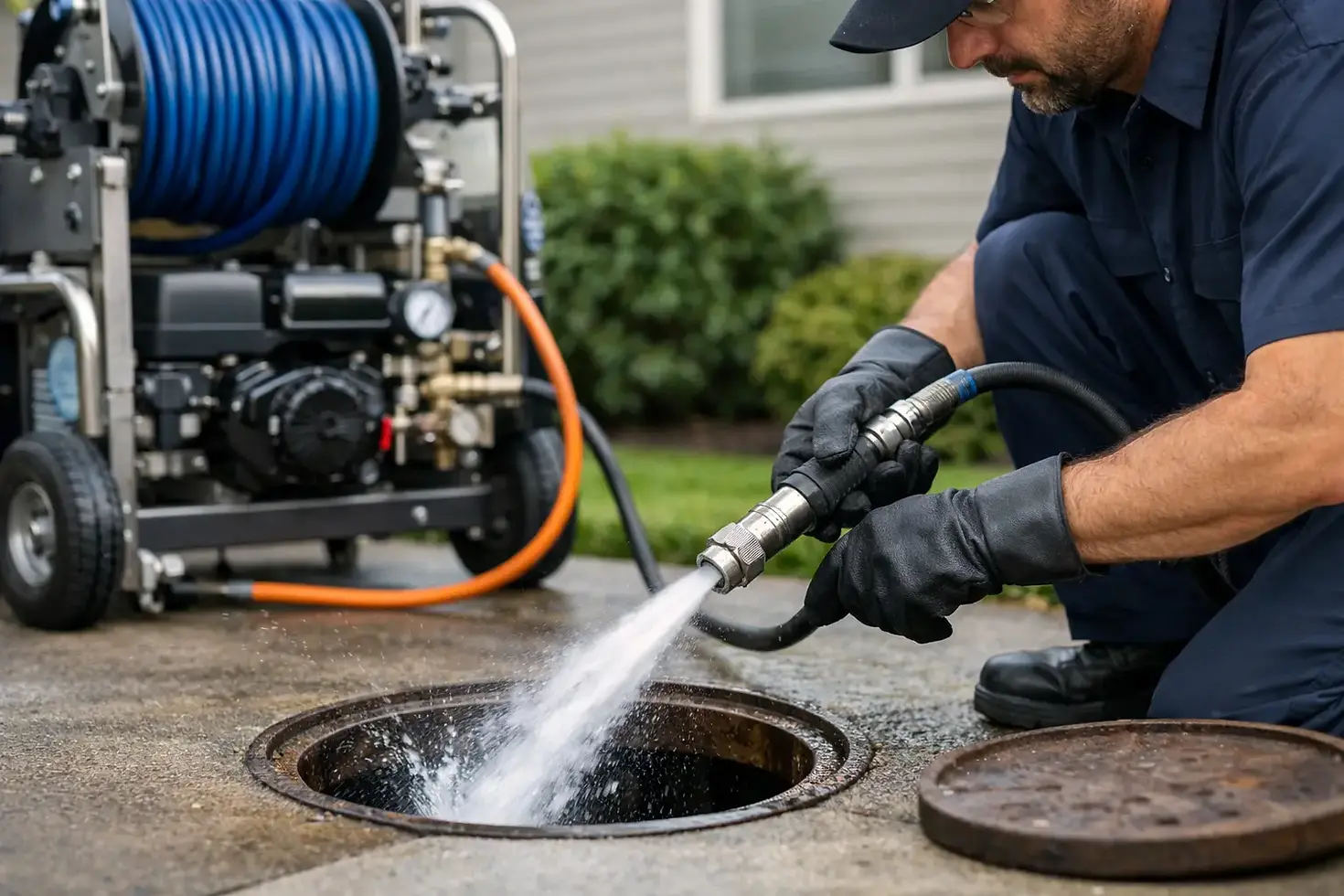
Hydro jetting uses a specialized hose and nozzle that sends high-pressure water through a drain line. Different nozzle designs direct water forward to break through blockages and backward to scrub debris from the pipe walls while moving the hose through the line.
A drain snake is valuable for opening many routine clogs. It can cut through a blockage and restore flow quickly. But it often creates a narrow channel through grease or buildup rather than cleaning the full inside diameter of the pipe. That is why a line can seem fixed one week and start draining slowly again not long afterward.
Hydro jetting is more thorough when the line is structurally sound and the issue is heavy buildup. In Salem-area homes, common candidates include kitchen drains coated with cooking grease, older sewer lines affected by root intrusion, and main lines carrying years of soap, paper residue, and mineral deposits. Commercial kitchens, multifamily properties, and buildings with frequent drain use often benefit from scheduled cleaning as well.
Signs Your Drain May Need Hydro Jetting
One clogged sink does not automatically call for hydro jetting. A small, isolated blockage may respond well to a standard drain cleaning. The case for jetting becomes stronger when problems are recurring, widespread, or tied to a main sewer line.
Watch for drains that slow down repeatedly after being cleared, gurgling from toilets or tubs when other fixtures drain, sewage odors near floor drains, or water backing up at the lowest fixture in the building. A kitchen line that clogs often despite careful use can also be carrying grease farther down the pipe than a plunger or store-bought cleaner can reach.
Tree roots are another common reason to look beyond a basic cable. Roots naturally seek moisture and can enter through tiny openings, loose joints, or aging pipe connections. Once inside, they trap toilet paper and other debris until the line begins to back up. Hydro jetting can cut and flush loose root masses, restoring flow and cleaning away the material caught around them.
That said, roots are not just a cleaning issue. If a camera inspection reveals a cracked, offset, or failing pipe, the opening that allowed roots in may need repair. Jetting can provide relief, but it cannot make a damaged sewer pipe whole again.
Camera Inspection Comes First
High-pressure water is effective equipment, but it needs to be used with good information. Before recommending hydro jetting, a qualified drain professional should understand what is inside the line and whether the pipe can handle the cleaning process.
A real-time camera inspection helps identify the location and likely cause of the blockage. It can show grease accumulation, heavy scale, roots, a foreign object, standing water, collapsed sections, bellies in the line, or damaged connections. This removes much of the guesswork from drain service.
The inspection also helps avoid applying the wrong solution. Older pipes, severely corroded lines, and lines with major breaks may require repair or a different approach. A responsible technician does not treat every slow drain as a jetting job. The goal is to clean a serviceable pipe thoroughly while recognizing when cleaning would only postpone a larger repair.
When Hydro Jetting Is the Better Choice
Hydro jetting is often the right choice when there is substantial buildup throughout a line rather than one simple obstruction. Grease is a common example. Even if it starts in a kitchen sink, grease cools as it moves through the plumbing and sticks to pipe walls. Over time, food particles and soap residue cling to it, reducing the space available for wastewater to pass.
It is also useful for recurring main-line backups. If several fixtures are affected, the problem may be farther down the sewer line than most homeowners can safely address. A professional evaluation can determine whether jetting will clean the line or whether roots, pipe damage, or another issue is controlling the situation.
For commercial properties, preventive jetting can be practical where heavy use is unavoidable. Restaurants, break rooms, apartment buildings, and facilities with shared restrooms put more material through their drain systems than a typical household. Cleaning on a schedule can reduce inconvenient closures, tenant complaints, and emergency calls. The ideal schedule varies with the building, its usage, and the condition of its pipes.
What Hydro Jetting Cannot Fix
Hydro jetting is a cleaning method, not a cure for every sewer problem. It cannot repair a collapsed line, correct a pipe that has settled into a low spot, or permanently stop roots from returning through an existing break. It also will not solve issues caused by improper pipe slope or a connection that has separated underground.
This distinction matters because a clear line is not always a healthy line. After a stubborn blockage is removed, camera footage may reveal a defect that was hidden by debris. In that case, the best next step may be a targeted repair, replacement planning, or ongoing maintenance until a larger project can be completed.
Honest recommendations should account for both the immediate backup and the long-term condition of the pipe. If hydro jetting will give you a clean, dependable line, it is a strong option. If it will only provide a brief window before a damaged section fails again, you deserve to know that before authorizing the work.
Preparing for a Hydro Jetting Service Visit
Property owners do not need to diagnose the drain problem before calling, but a few details help speed up the visit. Be ready to explain which fixtures are affected, when the issue began, whether there has been a recent backup, and whether the line has been cleaned or repaired before. For commercial sites or rentals, note whether the problem is isolated to one unit or impacts multiple spaces.
If a sewer backup is active, avoid running dishwashers, washing machines, showers, or additional toilets until the line has been evaluated. Sending more water into a blocked main line can turn a manageable problem into a larger cleanup. Keep children and pets away from contaminated water, and do not use chemical drain cleaners before professional service. Those products can damage certain pipes, create hazardous conditions, and rarely remove a deep main-line obstruction.
A technician may need access to a cleanout, crawlspace, utility area, or exterior sewer access point. Clearing the path to those areas when possible helps the work move along efficiently. At Canyon Drain LLC, the focus is on identifying the source of the problem, explaining the practical options, and using the right equipment for a lasting result.
Preventing Heavy Buildup After Cleaning
A freshly cleaned drain line still benefits from everyday care. In kitchens, let grease cool in a container and dispose of it in the trash instead of rinsing it down the sink. Use sink strainers to catch food scraps and keep coffee grounds out of drains. In bathrooms, remove visible hair from stoppers and avoid flushing wipes, paper towels, hygiene products, or other items labeled as disposable but not designed for sewer lines.
For properties with known root activity or high grease use, preventive maintenance is usually less disruptive than waiting for the next backup. A camera inspection and a cleaning plan based on actual pipe conditions can help you spend money where it makes sense rather than reacting to the same clog over and over.
When a drain problem keeps returning, do not settle for another temporary opening in the line. A clear view of the pipe and the right cleaning method can give you a much better answer - and a drain system you can trust when you need it most.


Comments