
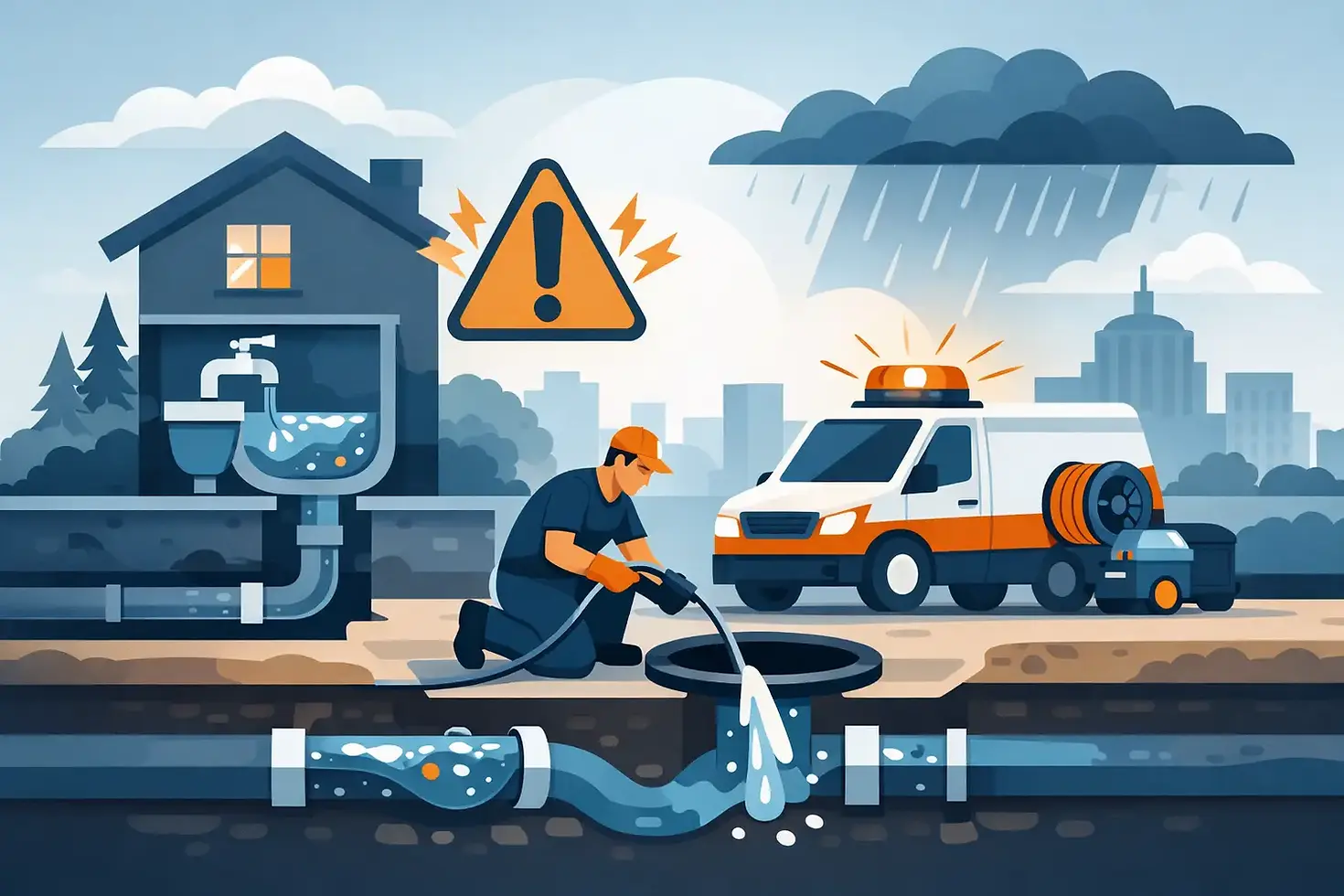
When Emergency Drain Cleaning Salem Oregon Is Needed

A toilet that gurgles when the washing machine drains, water rising in a shower, or sewage appearing near a floor drain can turn a normal day into a property emergency. Emergency drain cleaning Salem Oregon service is meant for these moments: when a blockage is no longer contained to one fixture and waiting could mean water damage, contamination, lost business, or an unlivable bathroom.
The right response is not always to pour another product down the drain. A fast, accurate diagnosis can protect your pipes and address the reason the line stopped moving in the first place.
What Makes a Drain Problem an Emergency?
A single slow bathroom sink may be inconvenient, but it is not always an after-hours emergency. A backup affecting multiple fixtures is different. When water has nowhere to go, it can come back through the lowest available opening - often a shower, tub, floor drain, or basement fixture.
Call for urgent drain help when sewage or dirty water is backing up inside, multiple drains are slow or clogged at once, a toilet overflows and will not clear, or water is threatening finished floors, walls, inventory, or electrical areas. Commercial kitchens should also act quickly when grease-related clogs interrupt sink use or create unsanitary conditions.
Outside drainage can become urgent after heavy rain as well. Standing water around entrances, parking areas, or low spots can point to a blocked storm drain. The immediate concern is keeping water away from the building, but the larger concern is determining whether leaves, sediment, roots, or damaged pipe are restricting the system.
What to Do Before Emergency Drain Cleaning Arrives
Your first goal is simple: stop adding water to the affected drain line. That reduces the chance of a small backup becoming a larger cleanup.
Take these steps while arranging service:
Stop running dishwashers, washing machines, showers, and faucets that may feed the blocked line.
Do not flush toilets repeatedly. Each flush can add several gallons of water to a system that is already blocked.
Keep children and pets away from sewage or gray water, and avoid direct contact with contaminated surfaces.
If a toilet is overflowing, turn the shutoff valve behind it clockwise if you can do so safely.
Move rugs, boxes, and other belongings away from standing water when possible, but do not enter areas with electrical hazards.
Avoid reaching deep into a drain with improvised tools. A cable can snag, a pipe can be damaged, and a blockage may be farther down the line than it appears. Chemical drain cleaners are also a poor choice during a serious backup. They can sit in the pipe without solving a heavy clog, create a splash hazard for anyone opening the line, and be hard on older plumbing materials.
If the backup is limited to one sink and there is no standing wastewater, a simple stopper or trap issue may be involved. But if the same problem keeps returning, it is still worth having the line evaluated rather than treating every episode as a separate clog.
Emergency Drain Cleaning in Salem, Oregon Starts With the Cause
Drain clearing should not be guesswork. A professional response begins with the location of the backup, the fixtures involved, the age and layout of the building, and any history of repeat clogs. Those details help identify whether the problem is likely in a branch drain, a main sewer line, or an exterior drainage system.
Common causes inside homes and businesses
In kitchens, grease, food residue, soap, and paper products can build up gradually until normal water flow is restricted. In bathrooms, hair, soap scum, wipes, and hygiene products are frequent culprits. Even products labeled as flushable can catch in aging pipe, offsets, or root intrusion and create a stubborn blockage.
Rental properties can face an added challenge: a line may be used heavily between inspections, so a small restriction can become a sudden backup without much warning. Property managers benefit from identifying whether the issue is isolated to a fixture or reflects a larger main-line condition before a tenant experiences another disruption.
Tree roots and aging sewer lines
Salem-area properties with mature trees can be especially vulnerable to root intrusion. Roots seek moisture and can enter through small joints, cracks, or weak points in a sewer line. Once inside, they catch paper and debris. The drain may work for a while after being cabled, then clog again because the underlying root mass or pipe defect remains.
A camera inspection provides a clear view of the pipe interior. It can show whether roots, grease, a broken section, a belly in the line, or a foreign object is causing the restriction. That information matters because the right tool depends on the problem. A cable machine may open a localized clog, while high-pressure hydro-jetting can scour heavy buildup from the pipe walls. If the camera shows pipe damage, cleaning alone may restore flow temporarily but not provide a permanent fix.
What Professional Service Should Look Like
During an emergency, speed matters, but so does protecting the property and explaining the work clearly. A dependable drain technician should assess the affected line, use the appropriate cleaning equipment, and verify that water is flowing properly before leaving. When conditions call for it, a camera inspection can document what was found and help guide next steps.
For a heavily used commercial line, especially one handling grease or frequent debris, hydro-jetting may be the better long-term cleaning method. For a root-filled sewer line, mechanical root cutting may be needed before the line can be fully evaluated. There is no one-size-fits-all drain solution, and a good technician will explain the trade-off between an immediate opening and more thorough cleaning or repair planning.
Canyon Drain LLC provides around-the-clock drain-related emergency response for Salem and nearby Willamette Valley communities, using camera diagnostics and professional cleaning equipment to address both the backup and the pipe condition behind it. Clear communication about the scope of work and pricing helps property owners make decisions under pressure.
Reducing the Chance of the Next Backup
Some emergencies cannot be predicted, particularly when a pipe collapses or roots suddenly close off an already compromised line. Still, many repeat clogs leave warnings: drains that empty slowly, recurring toilet gurgling, odors near floor drains, or water appearing in a tub when another fixture is used.
Do not wait for a full backup if those signs keep showing up. Have recurring drains inspected, keep grease out of kitchen sinks, use strainers where hair and food debris are common, and schedule preventive cleaning for lines with a known history of roots or buildup. Restaurants, multifamily buildings, and older homes often benefit from a maintenance plan based on actual use and pipe condition rather than a generic schedule.
A clear drain is more than a convenience. It protects floors, keeps a building usable, and gives you time to deal with plumbing problems on your terms instead of in the middle of a backup. When warning signs turn urgent, stop the water, protect the area, and get qualified help before the problem spreads.


Comments