
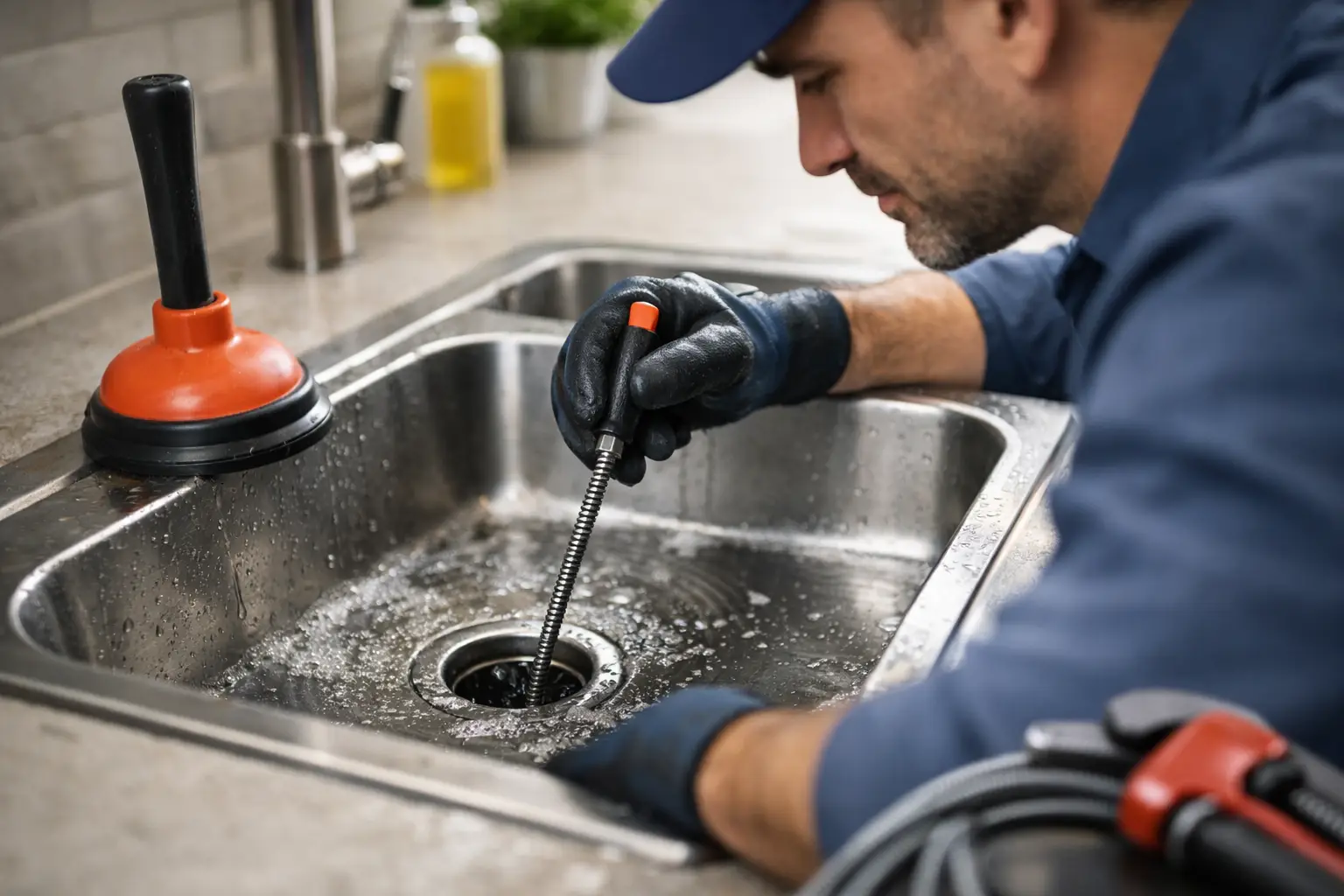
Clogged Drain Cleaning Salem Homeowners Can Trust

A kitchen sink that will not drain before dinner is frustrating. A toilet that bubbles when the washing machine empties is a different kind of warning. When you need clogged drain cleaning Salem property owners can rely on, the goal should be more than getting water moving for the day. The right service identifies what is blocking the line, clears it safely, and checks whether a larger pipe condition is likely to cause another backup.
A plunger or hand auger can be useful for a simple fixture clog. But repeated slow drains, wastewater coming up through a lower drain, or several fixtures acting up at once usually point to a problem farther down the line. Those are situations where guessing can waste time and sometimes make a mess worse.
Start With the Signs, Not the Assumption
Not every drain problem has the same cause. A bathroom sink that drains slowly may have hair, soap residue, or toothpaste buildup near the trap. A kitchen line often collects cooking grease, food particles, and detergent residue over time. In commercial kitchens, grease accumulation can become a regular maintenance issue if the line is not cleaned thoroughly.
When more than one fixture is affected, the blockage may be in a branch line or the main sewer line. Common signs include toilets that gurgle, water backing up into a tub or shower, drains that slow down after a load of laundry, and a sewage odor near floor drains. These symptoms deserve prompt attention because the next use of water in the building may send wastewater somewhere it does not belong.
For Salem homes and properties with mature landscaping, tree roots are another common concern. Roots naturally seek moisture and can enter small openings at pipe joints, cracks, or older connections. Once inside, they trap paper and debris until a partial blockage becomes a full backup. Clearing the roots restores flow, but the pipe should also be evaluated for damage or openings that invite them back.
What Clogged Drain Cleaning in Salem Should Include
Effective drain cleaning is not one tool used for every job. The best method depends on the pipe material, the blockage location, the severity of the buildup, and whether the problem is isolated or recurring.
For many routine clogs, professional cable cleaning can cut through or retrieve the material blocking the pipe. This method can be a practical choice for a localized obstruction such as hair, paper, or compacted debris. It is often fast and effective, but it may not fully remove heavy grease coating or root growth along the pipe walls.
Hydro-jetting uses controlled high-pressure water to scour buildup from the inside of a pipe. It can be especially useful for grease, sludge, scale, and recurring debris in kitchen, commercial, and main sewer lines. Hydro-jetting is not automatically the right answer for every pipe, though. Older, damaged, or fragile lines may need a camera inspection first so the technician can confirm the pipe can handle the cleaning method safely.
A real-time camera inspection takes much of the guesswork out of a difficult drain problem. It can show where the blockage sits and reveal issues that cleaning alone cannot fix, such as root intrusion, a cracked line, a separated joint, a belly in the pipe, or a collapsed section. For a property owner who has paid for repeat drain clearing, seeing the actual condition of the line can make the next decision much clearer.
Why a Drain May Clog Again After It Is Cleared
A drain can flow normally after a quick opening and still have a problem waiting below the surface. If only a narrow path is punched through grease or roots, water may drain for a while, but buildup remains on the pipe walls. The same is true when an older pipe has a break or offset connection that keeps catching debris.
That is why recurring clogs should be treated differently than a first-time blockage. A professional should ask when the problem started, which fixtures are involved, whether it occurs after rain or laundry use, and whether the property has large trees near the sewer route. Those details help determine whether cleaning, camera work, repair planning, or ongoing maintenance is the sensible next step.
When to Stop Using the Drain and Call for Help
Some drain issues can wait for a scheduled visit. Others should be treated as urgent, particularly when wastewater is involved. Stop running water and contact a drain professional if sewage is backing up into a tub, shower, toilet, or floor drain. The same applies if a toilet overflows repeatedly, a drain line has caused flooding, or multiple fixtures stop draining at once.
Be cautious with store-bought chemical drain cleaners. Strong chemicals may not reach a heavy blockage, root mass, or obstruction in the main line. They can also create safety hazards for anyone working on the drain afterward and may be hard on certain older pipes. If a chemical product has already been used, tell the technician before service begins.
Avoid repeatedly plunging a fixture when water is backing up somewhere else in the home. Pressure can move contaminated water through another opening rather than solve the underlying blockage. In a commercial setting, keeping staff and customers away from affected areas helps prevent slips and limits exposure until the drain is under control.
Practical Steps While You Wait
Once a major clog is suspected, use as little water as possible. Do not run the dishwasher, washing machine, or garbage disposal if drains are backing up. A small amount of water from a faucet can be enough to worsen a main-line backup.
If the issue is limited to one sink or tub and there is no sewage backup, remove standing water only if it can be done safely. Clear visible hair from a stopper or strainer, but do not force tools deep into the line if you are unsure what is there. Taking note of the symptoms is more helpful than aggressive do-it-yourself attempts. Let the technician know which drains are affected, when the issue first appeared, and what has already been tried.
For landlords and property managers, clear communication with tenants matters. Ask them to stop using affected fixtures and report any change in the backup. Early action can protect flooring, cabinets, tenant belongings, and the building itself from avoidable water damage.
Preventing the Next Blockage
Good habits reduce many household drain clogs, although they cannot prevent every sewer-line issue. Keep grease, cooking oil, coffee grounds, and fibrous food scraps out of the kitchen drain. Use sink and shower strainers to catch food particles and hair. Toilets should be used only for toilet paper and waste - wipes labeled flushable still cause problems in many plumbing systems.
For properties with a history of roots, heavy grease use, or aging sewer pipes, preventative service may be more cost-effective than waiting for an emergency. The appropriate schedule depends on the building and the pipe condition. A busy restaurant may need regular line maintenance, while a single-family home with root intrusion may benefit from periodic inspection and cleaning based on prior findings.
Canyon Drain LLC approaches drain calls with that larger picture in mind: clear the immediate blockage, explain what caused it, and recommend the next step only when the condition of the line supports it. Transparent starting pricing and professional diagnostic equipment help property owners make decisions with useful information rather than guesswork.
A drain that has started slowing down is easier to address before it becomes a weekend backup or a business interruption. Paying attention to the warning signs, limiting water use when a serious clog appears, and getting the line properly evaluated can protect your property and give you confidence that the problem was handled at its source.


Comments